Residential Pest Services in North York, ON
If you need pest control North York homeowners can count on, the best approach should fit the conditions of living in North York, ON: high-density areas, shared walls, older utility penetrations, and a mix of detached homes, condominiums, townhomes, and multi-unit buildings. Professional residential pest control is not just about removing pests after they appear; it is about prevention, property protection, and long-term peace of mind.
In neighbourhoods like Willowdale, Bayview Village, Downsview, and Flemingdon Park, pest pressure can spread rapidly from one unit to another. That is why modern pest management often combines inspection, targeted treatment, exclusion, and sanitation as part of an integrated pest management plan. Whether you are dealing with a home infestation or recurring pests in a multi-unit residence, the goal is to eliminate the source, not just the visible activity.
Common Home Pests in North York
North York homes and apartments can draw a wide range of pests, especially where food, moisture, and shelter are easy to find. Some of the most typical pests include ants, rodents, bed bugs, and cockroaches, but many residents also deal with spiders, wasps, silverfish, carpenter ants, and moths.
Ants often make their way into kitchens, pantries, and wall voids in search of food and water. In older homes and basement suites, carpenter ants can create a property concern because they nest in damp or damaged wood. Rodents such as mice and rats are especially problematic where entry points exist around foundations, utility lines, and garage doors. Their activity can expand rapidly through attics, basements, and shared walls.
Bed bugs are a major issue in apartment buildings and other high-traffic housing. They do not care whether a unit is spotless; they spread through luggage, furniture, hallways, and even neighboring units. Cockroaches thrive in warm, moist harbourage areas such as kitchens, behind appliances, and inside plumbing chases, making them a common challenge in dense residential buildings.
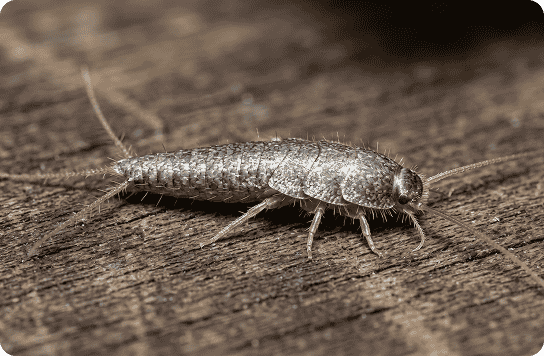
Other pests can also show up during different seasons. Wasps may settle around eaves, decks, and sheds. Silverfish like humid spaces such as laundry rooms and basements. Moths can ruin fabrics and stored food. A local exterminator familiar with residential pest control in North York will look at the full picture, not just the pest you noticed first.
Why North York Homes and Condos Attract Pests
North York is a densely populated part of Toronto, and that density brings strong seasonal pressure for pests. Condominiums, apartment buildings, and townhomes all have in common features that pests exploit: shared walls, common corridors, waste rooms, mechanical spaces, and frequent movement of people and goods. One affected unit can become the starting point for a wider building issue.
Many properties in the area also have older housing stock with structural gaps, worn seals, and utility openings that make pest entry easier. Small cracks around basements, pipes, vents, and electrical service lines can become frequent entry points for mice, rats, insects, and even crawling pests like spiders and silverfish. In some homes, unfinished basements and lightly insulated attics create perfect shelter and hiding areas.
Another typical cause is humidity. Faulty taps, condensation, humid laundry rooms, and poor ventilation produce moisture sources that lure cockroaches, ants, and silverfish. In properties with shared plumbing or uneven maintenance, those moisture conditions can continue for months. Good pest management in North York often means looking beyond the pest itself to identify the conditions that enable it thrive.
Townhouse complexes and multi-dwelling buildings also experience more spread of pests through adjacent units. Bed bugs can move along wall voids and baseboards, while mice and rats can use service corridors, pipe chases, and storage areas. That is why residential pest control in North York often calls for collaboration, not just a single spray.
Indications You Need pest control North York
Initial indicators are often easy to miss, but they should not be ignored. One of the clearest signs is the presence of feces, especially in cupboards, along baseboards, in storage areas, or near appliances. Mouse droppings are small and pointed; rat droppings are larger. Whichever the pest, droppings usually mean pests are active nearby.
Other signs include damaged wiring, gnaw marks on boxes, and damaged packaging in kitchens, garages, and storage rooms. Rodents often chew to keep their teeth worn down, and that behaviour can create real fire risk in homes, attics, and garages. If you hear scratching in walls or ceilings, that may also point to rodent activity.
For insect pests, look for frass, which is a fine powder or pellet-like debris often associated with carpenter ants or wood-destroying activity. You may also see shed skins, egg cases, or small piles of debris in quiet corners. With bed bugs, the signs can include dark spotting on bedding, live insects, or bite marks on exposed skin, especially after sleeping.
Scent can also signal activity. A stale, oily smell may suggest cockroach activity, while a musty smell in damp areas can point to moisture and hidden pest harbourage. If you notice more than one of these signs, a service call for inspection is usually the next step.
Home Pest Treatment Techniques That Work
Dependable pest management begins with a careful inspection. A trained technician checks for signs of pest activity, moisture problems, structural gaps, sanitation issues, and any conditions that support recurring pests. In many North York homes, the inspection includes basements, attics, garages, kitchens, utility areas, and exterior access points.
Next, a plan may involve targeted treatment instead of broad, unnecessary applications. This is particularly important for family-safe treatment and eco-friendly pest control. Depending on the pest, treatment may include baiting, dusts, traps, or precise applications to cracks and voids. For rodents, a baiting program or trapping strategy may be combined with rodent proofing and entry sealing.
Exclusion is one of the most important long-term solutions. It means sealing structural gaps, repairing screens, closing access around pipes, and blocking the routes pests use to get inside. Without exclusion, even the best extermination efforts can be temporary. A good pest control approach should treat the cause, not only the symptoms.
Sanitation also plays a major role. Food residue, clutter, pet food, dirty recycling bins, and unsealed garbage all make a property more attractive to pests. Cleaning up these conditions reduces harbourage areas and makes it harder for pests to stay hidden. In practice, the best results come from combining sanitation habits, preventive maintenance, and ongoing monitoring.
Here is where integrated pest management stands out. Rather than relying on a single chemical treatment, it blends inspection, exclusion, sanitation, monitoring, and targeted intervention. That approach works well for homes, condos, and multi-unit residences because it supports both immediate control and long-term property protection.
Bed Bug Treatment for North York Units and Dwellings
Infestations are one of the most stressful pest issues for North York residents, especially in multi-unit buildings and communal living spaces. Because they travel readily and hide well, bed bug checks should be the starting point whenever there are signs of infestation. Technicians inspect mattresses, bed frames, baseboards, furniture seams, and nearby wall voids for evidence of active bugs, eggs, and spotting.
For many situations, thermal treatment is an effective choice because it gets into hard-to-reach spots and can destroy bed bugs in a single controlled process when performed correctly. In other cases, a blended treatment plan may be recommended based on the unit type, infestation severity, and building layout. This is especially common in a multi-unit residence where pest movement between units must be considered.
Bed bug encasements help trap any remaining bed bugs in the mattress or box spring while also making future inspections easier. They are a useful part of a broader bed bug treatment plan. Residents are often asked to follow a strict washing routine, including washing and drying bedding and clothing at appropriate temperatures and storing clean items in sealed bags or bins.
In North York apartments, success often depends on cooperation between the resident, property manager, and pest control provider. If a neighbouring unit is affected, the issue may keep returning unless the building response is coordinated. A professional local exterminator will know how to adapt the plan to the realities of condos, high-rises, and stacked townhomes.
Rodent Removal for Below-Ground Areas, Attics, and Vehicle Storage Areas
Rodent issues often begin in the spaces homeowners look over least: basements, attics, and garages. These locations are attractive because they are still, dim, and often contain easy access to food, insulation, nesting material, and shelter. In North York, mice and rats can enter through small gaps around utility lines, foundation cracks, garage weather stripping, and shared building penetrations.
Effective control starts with identifying entry points. A technician examines around vents, doors, rooflines, pipe openings, and damaged masonry. Once these access routes are found, rodent proofing and exclusion work can close them off. Without that step, rodents may return even after trapping or baiting.
Mice are especially common in residential settings because they can fit through tiny openings and multiply quickly. Rats tend to be more cautious but can cause major damage once they establish a nest. Both can chew wires, contaminate insulation, and spread through hidden pathways inside walls and ceilings.
A professional plan may include a baiting program or trapping strategy, depending on the situation and safety considerations. But the real long-term fix is a combination of exclusion, sanitation, and monitoring. If your garage holds pet food, bird seed, recycling, or storage boxes, those items should be secured because they can support rodent activity.
How Periodic Variations Influence Pest Activity in North York
Weather-related weather in Ontario has a major effect on pest behaviour. During the spring thaw, pests become active again as temperatures increase and moisture builds around foundations, grading, and landscaping. Ants may emerge first, followed by increased insect and rodent movement as outdoor conditions improve.
Summer humidity can boost activity for cockroaches, silverfish, ants, and wasps. Warm, damp conditions create ideal breeding and feeding environments, especially in basements, bathrooms, and kitchens. Homes with poor ventilation or ongoing leaks may notice more recurring pests during this season.
As temperatures fall in the fall, fall nesting becomes a greater concern. Rodents and insects look for shelter before winter, and they often choose attics, wall voids, sheds, and garages. This is the season when many homeowners begin to hear scratching sounds, droppings, or insect trails.
Winter can bring a different problem: winter indoor infestation. Because outdoor conditions are harsh, pests that have already entered a home stay inside and remain active near warm areas. That is why preventive maintenance before winter is so important. In North York, cold winters and humid summers create serious seasonal pressure that makes pest control a year-round concern.

What to Expect from a Local Pest Control Service
When you call a local exterminator in North York, the process should begin with a careful assessment of the issue and the property. Many providers offer same-day service for urgent problems such as rodents, bed bugs, or active stinging insect nests. For homeowners, https://mississauga-onor813.hexaforgey.com/posts/do-you-have-to-be-away-during-pest-control-in-north-york quick response matters because delays can allow the infestation to worsen.
Look for licensed technicians who understand residential pest control, not just one-time extermination. A good provider describes what they found, what treatment they recommend, and what follow-up steps are needed. That may include monitoring, exclusion repairs, or a scheduled follow-up visit to ensure that pest activity has dropped.
Property owners more often ask for eco-friendly pest control options. They may include minimally hazardous products, focused applications, baiting, and chemical-free measures such as closing gaps and sanitation upgrades. The best providers blend effectiveness with family-safe treatment, especially in homes with children, pets, or sensitive occupants.
You should also expect useful advice, not just treatment. A reliable service call should include guidance on preventive maintenance, cleaning routines, and storage changes that support sustained control. That is particularly important in condos and townhomes where neighbouring units may influence your results.
Preventive Tips for North York Homeowners
Strong prevention starts with food storage. Keep pantry goods in airtight containers, avoid leaving pet food out overnight, and clean crumbs or spills right away. In kitchens and utility rooms, even small amounts of accessible food can attract ants, cockroaches, and mice.
Sealing cracks is another important step. Inspect around baseboards, windows, doors, and pipe penetrations for gaps that could become entry points. Pay special attention to older homes and basement areas where structural gaps are more common. Caulking, weather stripping, and mesh screening can all help reduce access.
Garbage management matters too. Use tightly fitting lids, rinse recyclables when needed, and avoid overfilling bins inside garages, porches, or utility spaces. Waste areas should be kept clean because they can attract rodents, flies, and cockroaches.
Finally, focus on moisture control. Fix leaks, use dehumidifiers where needed, improve ventilation, and reduce standing water around sinks, laundry rooms, and foundation areas. Moisture is one of the biggest drivers of pest activity because it supports insects and creates favourable conditions inside walls and basements. These measures form the backbone of preventive maintenance.
When to Call a Professional in North York
You should call a trained expert if you are seeing a recurring infestation or if the pests keep coming back after home treatment tries. Ongoing sightings often indicate the source has not been found, or there are multiple entry points a property. This is often the case in older homes, condo units, and townhomes with shared construction.
Expert assistance is equally essential when there is damage to property. Chewed electrical wires, damaged thermal insulation, gnawed lumber, insect debris, and torn packaging can indicate ongoing pest activity that needs quick response. The longer this lasts, the more costly repairs can turn out.
Certain cases cause health concerns, particularly with roaches, rodents, and bed bugs. These intruders can disrupt sleep, sanitation, and comfort, and they may worsen allergies or stress. In homes with children, seniors, or vulnerable family members, prompt action is particularly important.
If you reside in a multi-unit building, expert service is often the smartest choice because pests can spread between adjacent units. Coordinated treatment, inspection, and post-treatment inspection are far more effective than standalone do-it-yourself efforts. For many residents in North York, that is the difference between temporary relief and long-term control.
Residential pest management in North York is most effective when it is community-based, comprehensive, and prevention oriented. With the right inspection, precise service, exclusion, hygiene, and ongoing support, property owners can protect their space and reduce future risk. Whether you live in a condo near Willowdale, a townhouse in Downsview, or an older home in Bayview Village, a tailored plan can make a major difference.
FAQ
How much does pest control in North York cost for a home?
Prices are influenced on the pest, the dimensions of the property, the degree of infestation, and whether you need single extermination or regular preventive maintenance. A routine service call for ants may cost less than a full bed bug removal or rodent proofing project. Homes with basements, attics, garages, or shared walls may also need more work because there can be more entry points and harborage areas.
What pests are most common in North York houses and condos?
The most regularly reported issues are ants, mice, rats, bed bugs, and cockroaches. Residents also frequently report spiders, wasps, silverfish, carpenter ants, and moths. In condos and apartment buildings, bed bugs and cockroaches are especially common because pests can travel through shared spaces and multi-unit structures.
Do I need pest control if I only see one mouse or one bed bug?
Yes, because one visible pest often means there are additional pests nearby. A single mouse may signal an entry point and a nesting area, while one bed bug can indicate a larger infestation or a recent introduction. Early inspection is the best way to stop a small problem from becoming a recurring infestation.
Are pest control treatments safe for children and pets?
Many modern treatments are designed with family-safe treatment principles in mind. Professionals may use targeted treatment, baiting, exclusion, and eco-friendly pest control options to reduce exposure. Always ask the technician what products are being used, where they will be applied, and what steps you should take prior to and after service.
How long does it take to get rid of pests in a North York home?
It depends on the pest and the property conditions. Some ant or wasp issues can improve rapidly after treatment, while rodent and bed bug problems may require multiple visits, a follow-up visit, and additional exclusion work. The timeline is often shorter when the inspection identifies the source early and sanitation habits are improved promptly.